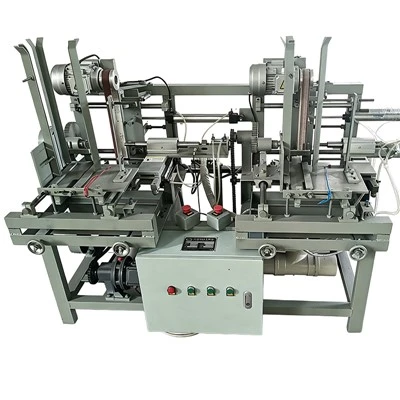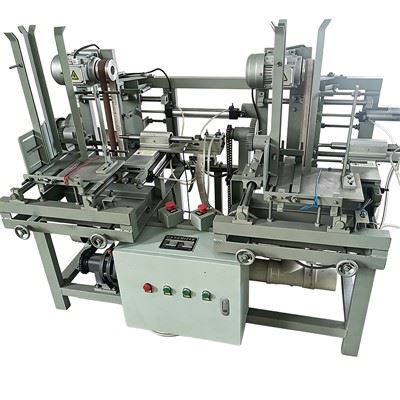
Specialized Shaping Equipment
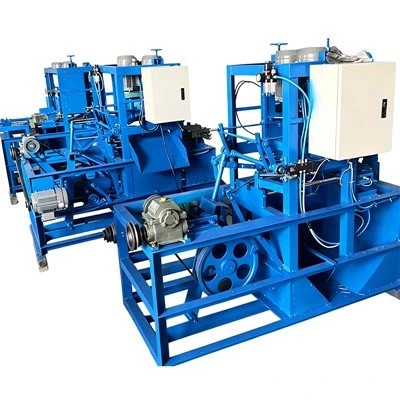
Fully Automatic Wood Handle Shaping Machine: Also known in the industry as hoe handle, pickaxe handle, or hammer handle machines, this is the core specialized equipment for handle production. Utilizing profile-copying or multi-station mechanisms, it processes raw timber in a single pass into elliptical-tapered or irregularly shaped handles (such as those for pickaxes, axes, and hammers). It offers high mass-production efficiency and excellent consistency, making it ideal for the large-scale manufacture of handles for agricultural and gardening tools.
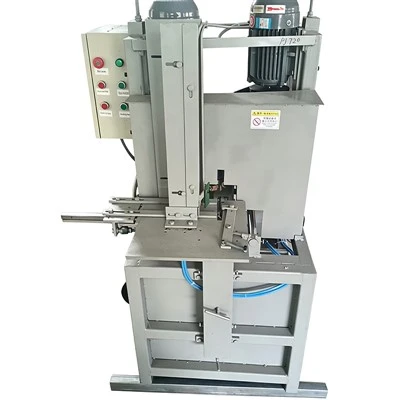
Woodworking Round Rod Machine:Representative models include the MB9012B and MB9010B. Designed specifically to process timber into standard cylindrical rods, this is the foundational equipment for creating straight, round handles. The resulting rods can serve as simple handles in their own right or as rough blanks for subsequent processing stages.
Woodworking Lathe:Traditional equipment for processing rotational-symmetry handles. It uses a turning process to rough-turn square timber into a cylinder, followed by finish-turning to shape profiles such as tapers or spindles. It is suitable for manual or small-batch production of traditional knife handles and spindle-shaped grips, though it requires a certain level of manual skill from the operator.
High-Precision Finishing Equipment
CNC Engraving Machine: Capable of three-axis (or higher) simultaneous motion, this machine controls milling paths via computer programs. It can precisely machine complex curved surfaces and irregular profiles, as well as execute intricate processes like fine relief carving and slotting. It is suited for high-end handles featuring complex ornamentation or non-standard geometric shapes, offering machining precision and repeatability far superior to traditional equipment.
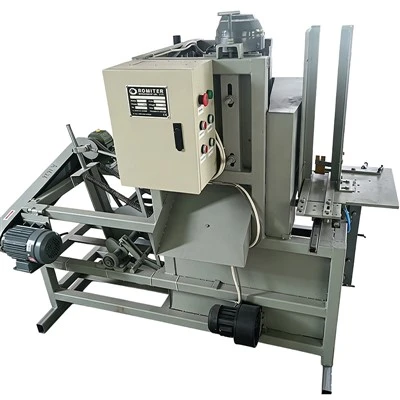
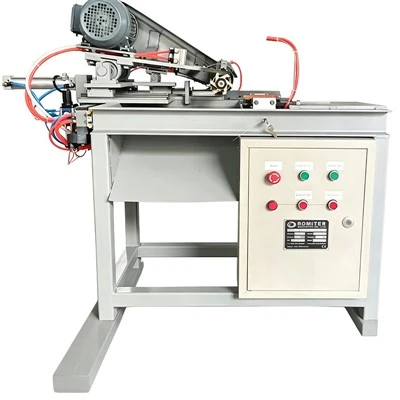
Fully Automatic Woodworking Profile Router: Designed for specialized profile milling of handle contours, this machine accurately replicates the shapes of various custom handles. It is widely used in factories for the shaping of non-standard, irregularly shaped wooden products. With a high degree of automation, it significantly reduces the physical demands of manual operation.