Preliminary Material Preparation
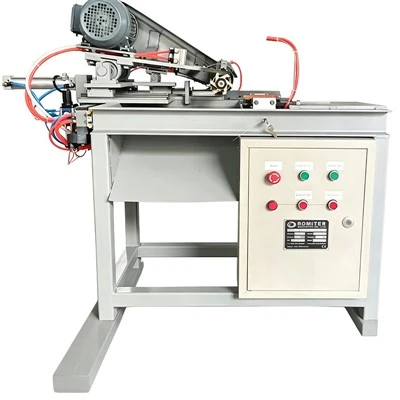
Log Splitting and Breakdown:Hydraulic log splitters split large-diameter logs and stumps into rough stock sized for handles; some models integrate cross-cutting functions to reduce preprocessing steps and recover offcuts, thereby improving material utilization.
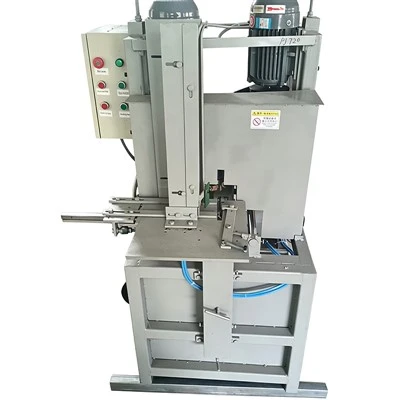
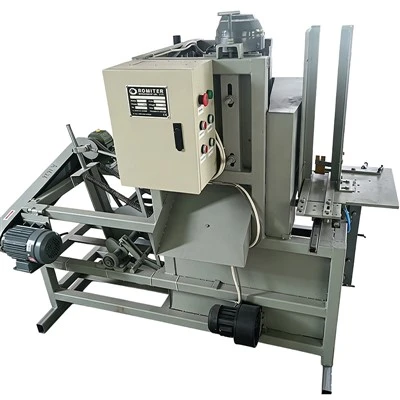
Precision Sawing and Sizing: Equipment such as multi-blade saws and sliding table saws cuts rough timber into handle blanks of uniform specifications, ensuring consistent baseline dimensions for subsequent shaping processes.
Core Shaping Functions
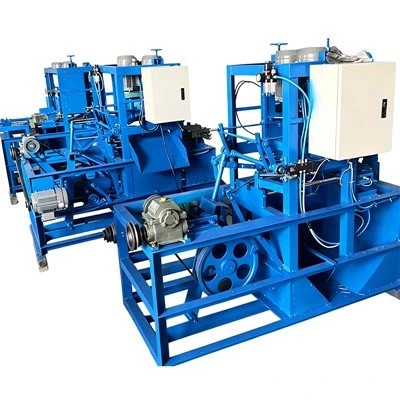
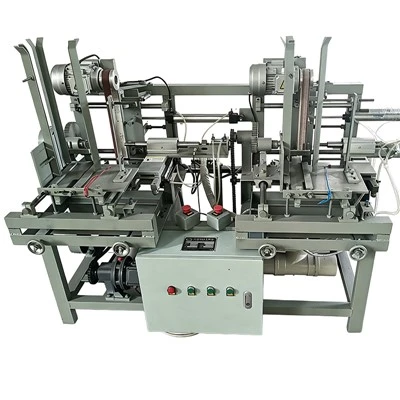
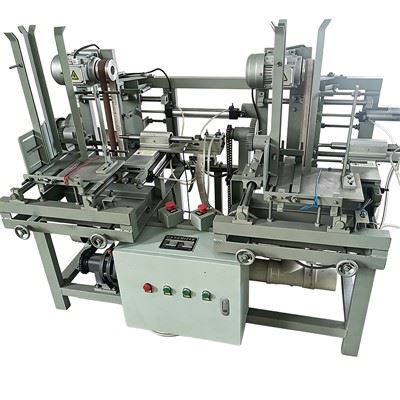
Standardized Batch Shaping:Specialized handle shaping machines (e.g., fully automatic hoe or hammer handle machines) utilize profile-following mechanisms to shape blanks into round, oval, or tapered forms in a single pass. Some models can process four workpieces simultaneously, making them suitable for the mass production of common tool handles like those for hammers, pickaxes, and hoes.
Precision Turning of Rotational Parts: Woodworking lathes process rotational handles (such as round or spindle-shaped ones) through rough and finish turning stages to refine their profiles. They can also perform operations like localized grooving and machining of mounting points for metal ferrules; this type of equipment is essential for traditional manual handle making.
Complex Irregular Shape Machining:CNC carving machines utilize multi-axis linkage to mill non-standard curved surfaces, 3D reliefs, and unique grip contours. This meets customization needs for high-end knife handles and artisanal wooden handles, achieving machining precision within ±0.3mm.