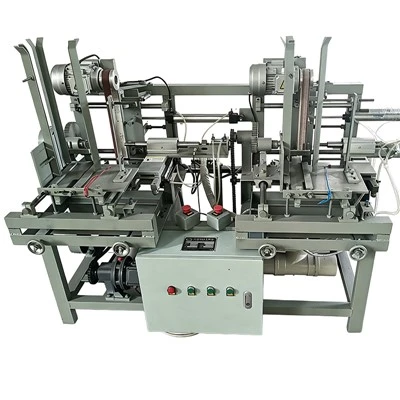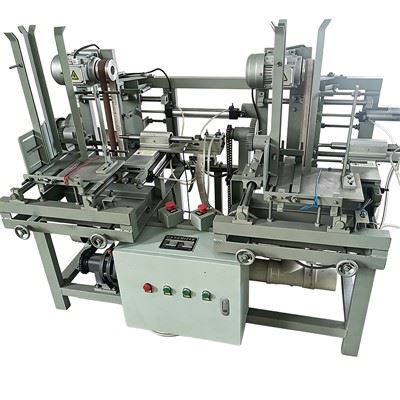
Significantly Enhanced Production Efficiency
Fully automated models feature feed rates of 3–5 m/min and a standard output of 100 pieces per hour, representing an efficiency increase of over 30% compared to traditional manual processing.
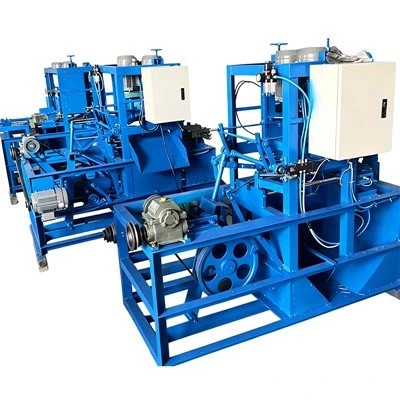
Integrated production lines-combining an automatic feeder, the main processing unit, and an unloading system-enable continuous automated production, boosting output by 35%–40% in certain scenarios.
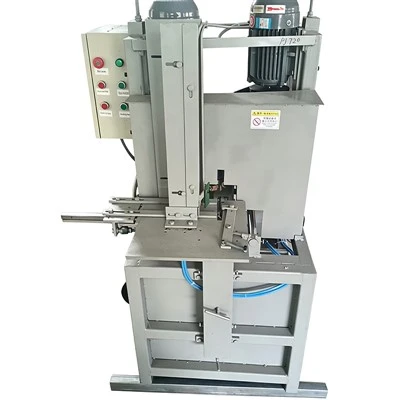
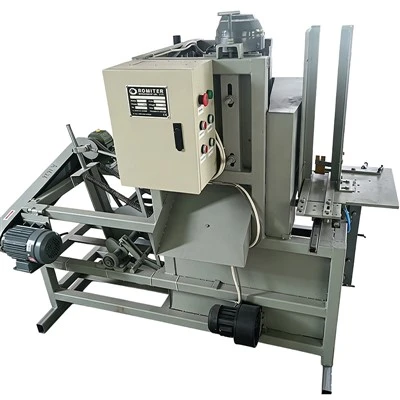
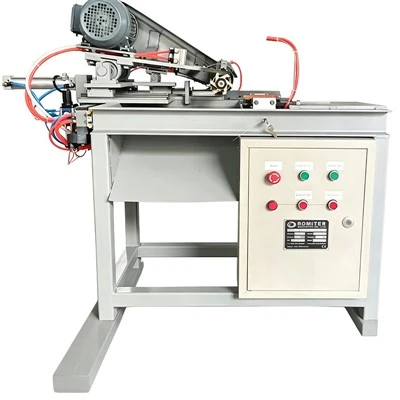
Specialized wood handle molding machines rapidly transform raw timber into handles of specific dimensions, eliminating multiple intermediate steps and making them ideal for high-volume, standardized production.
Superior Processing Precision and Consistency
CNC models achieve machining precision of ±0.01 mm, while standard models maintain stability within ±0.1 mm-far exceeding the accuracy levels of traditional manual methods.
Automated mechanical processing eliminates human error; mass-produced handles exhibit highly uniform dimensions and shapes, ensuring exceptional product consistency.
CNC carving machines utilize 3-axis or 5-axis simultaneous motion to precisely mill complex curved surfaces, irregular contours, and intricate reliefs, meeting the demands for high-precision, uniquely shaped handles.
Long-Term Reduction in Overall Production Costs
A single automated unit can replace 2–3 skilled operators, drastically reducing reliance on highly skilled labor and significantly lowering long-term personnel costs.
Specialized equipment maintains a factory-level defect rate of ≤0.1%, substantially cutting material and labor losses associated with reworking defective items and avoiding the material waste common in traditional processing.
Optimized cutting designs ensure even tool wear, extending blade lifespan to 6–12 months and reducing additional expenses related to tool replacement and maintenance.