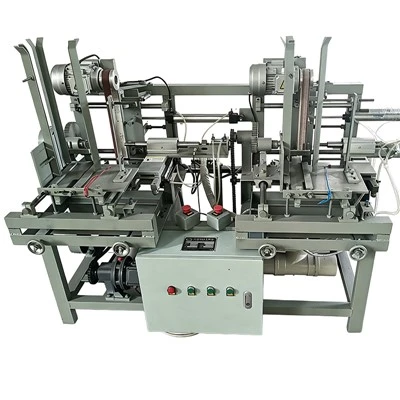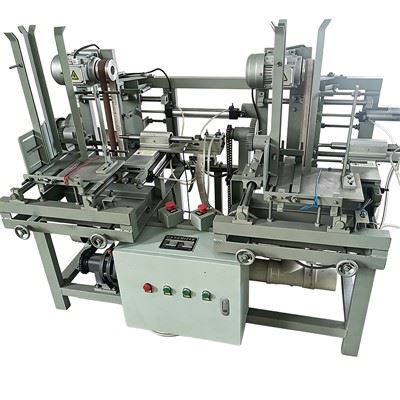
Pre-operation Preparations
Personnel Qualifications:Operators must undergo professional safety training, pass the required assessments, and hold the necessary certification; inexperienced personnel are strictly prohibited from operating the equipment.
Equipment Pre-check: Inspect the equipment using the "Five-Point Check" method: verify the exterior is undamaged, ensure lubrication lines are clear, confirm electrical grounding and insulation are reliable, check that safety guards are intact, and verify there are no abnormal noises during no-load operation.
Tool and Material Inspection: Remove nails and metal debris from the wood beforehand to prevent tool damage; ensure cutting tools are securely installed and sharp, with no looseness or chipping.
Environment and Protection: Clear debris from work aisles; wear safety goggles, hearing protection, and non-slip gloves; open flames and smoking are strictly prohibited in the work area.
Operational Safety Protocols
Parameter Compliance: Strictly set rotational speed and feed rate according to the equipment manual; avoid overloading; adjust processing speed based on the wood's hardness and material to prevent kickback.
Operational Prohibitions: Never touch rotating cutters or grinding wheels while the machine is running; use specialized jigs or push sticks to feed small wooden handles-manual feeding is strictly prohibited.
Handling Abnormalities:If abnormal noise, vibration, or material jamming occurs, immediately press the emergency stop button and cut the power before troubleshooting; never attempt to clear jams by hand while the machine is running.
Continuous Monitoring: Operators must not leave their posts while the equipment is running; closely monitor operating parameters such as temperature and pressure to ensure they remain within safe limits.