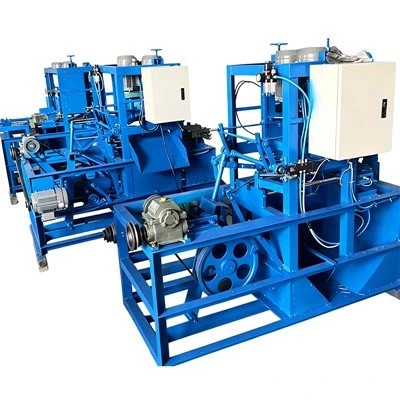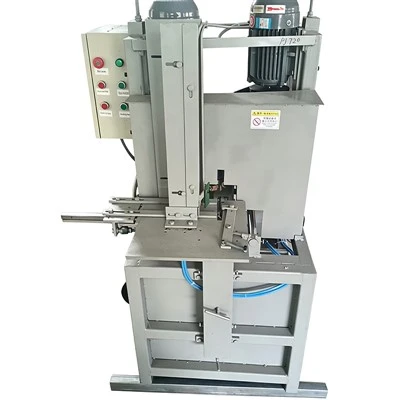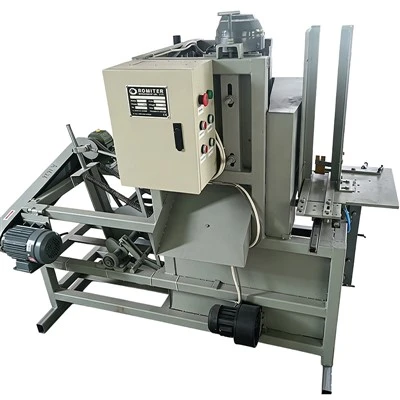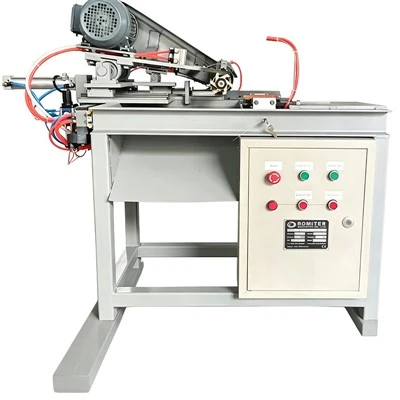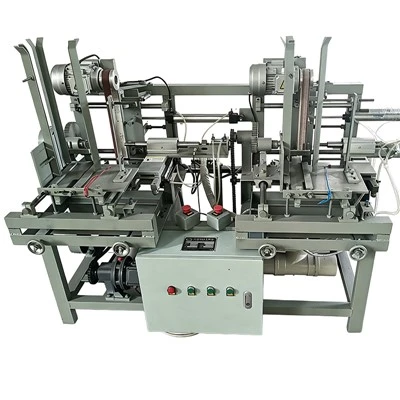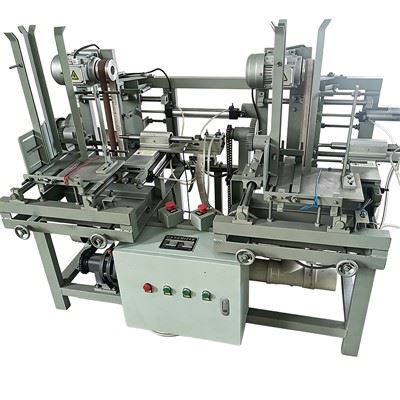
Operational Safety Standards
Personnel Qualifications & Protection: Operators must be certified and have passed professional safety training and assessments before operating independently. Safety goggles, cut-resistant gloves, earplugs, and insulated footwear must be worn throughout the operation to prevent injuries from flying debris, noise, and electrical leakage.
Pre-start Inspection: Before starting, check drive belts for cracks or slippage and hydraulic lines for leaks. Verify that spindle speed and oil temperature are within specified parameters, and ensure safety guards are intact and secure.
Operational Control: Never touch rotating cutting tools with hands during processing, and do not leave the workstation unattended. Securely fasten the wood to prevent kickback or shifting. If abnormal noises or jamming occur, immediately press the emergency stop button to troubleshoot; operating the machine while it is malfunctioning is strictly prohibited.
Shutdown & Power-off Requirements:After processing, wait for the cutting tools to stop rotating completely before turning off the power. Before maintenance, strictly follow "Lockout/Tagout" procedures to prevent accidental startup and injuries.
Daily Equipment Maintenance Points
Daily Cleaning & Inspection: Before the end of the shift, clear wood chips and dust from the work surface, cutter assembly, and machine crevices. Check vacuum suction cups and pressure rollers for looseness or debris, and perform a no-load test run to ensure there are no abnormal noises or vibrations.
Periodic Lubrication & Calibration: Apply specialized lubricant to guide rails, chains, and bearings weekly. Monthly, fully tighten all screws, calibrate machining accuracy and leveling, and clean dust from electrical cabinet vents to prevent short circuits.
Fluid & Component Management: Replace fully synthetic gear oil every 12 months and mineral oil every 6 months. Clean oil circuit filter elements every 500 hours; immediately replace worn seals or cutting tools with genuine OEM parts.