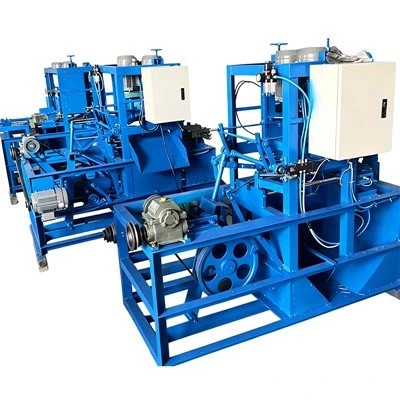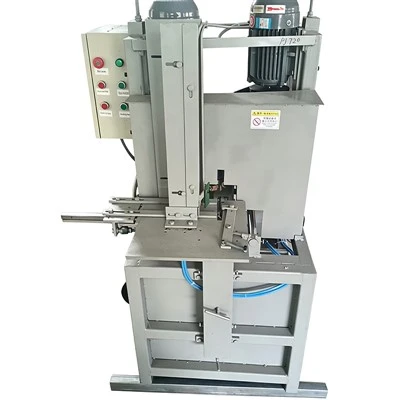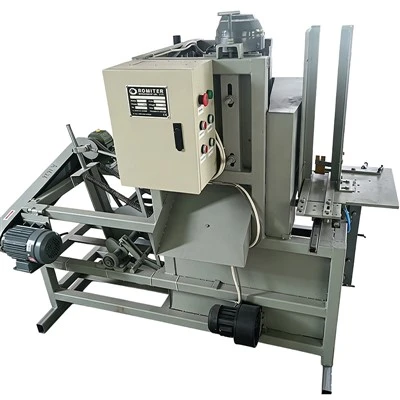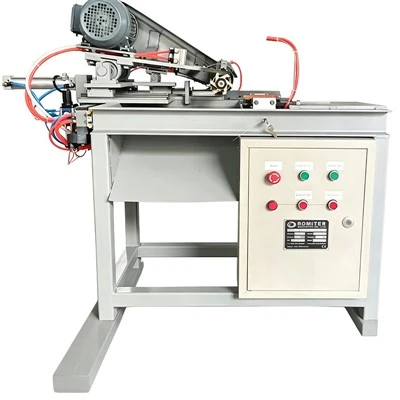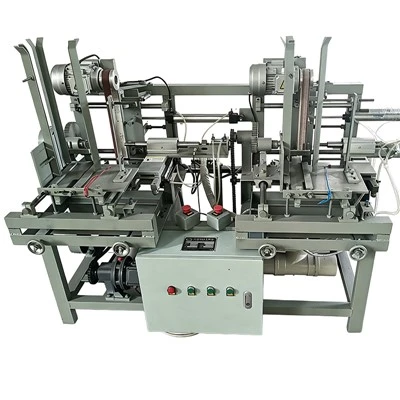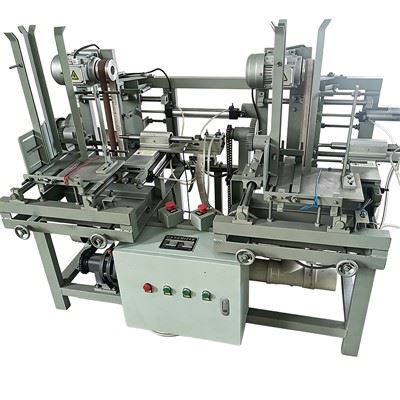
Immediate Cleaning After Daily Operations
Clear Debris After Power-Off:Disconnect the power immediately after work finishes. Use a broom, air blower, or industrial vacuum to clear wood chips and debris from the equipment table and machine body surfaces, preventing accumulation that could jam transmission components.
Clean Processing Areas: Focus on removing residual wood from the workstations of sliding table saws, milling machines, and sanders. This prevents leftover chips from contaminating the next batch and keeps the workspace tidy.
Check Dust Collection Systems: Simultaneously clean the dust extraction ducts and collection bags. This prevents dust from clogging airflow paths, which would reduce suction efficiency and create a risk of dust buildup.
Targeted Cleaning of Core Precision Components
Guide Rails and Lead Screws: Thoroughly wipe wood chips and oil residue from the surfaces of guide rails and lead screws using a lint-free, soft cloth. After cleaning, apply specialized lubricant and run the machine at low speed to ensure an even oil film covers the transmission surfaces, preventing debris from causing wear on precision parts.
Spindle and Tool Clamping Areas:Use a lint-free cloth dampened with 75% medical alcohol or anhydrous ethanol to wipe the spindle taper bore and tool chuck contact surfaces in a single direction. Use a clean compressed air gun to blow out residual dust from crevices, preventing impurities from causing machining runout or vibration marks.
Electrical Control and Heat Dissipation Areas: Periodically open the electrical cabinet and use a dry brush to clear accumulated dust from circuit boards and cooling fans, preventing short circuits or overheating caused by dust buildup.
Cutter Assemblies and Grinding Components:Dismantle parts such as milling cutters, sanding belts, and drill bits. Use a brass brush to clear wood fibers lodged in cutter tooth gaps; for stubborn stains, wipe with a small amount of neutral detergent. Dry thoroughly before storing in a dry area.