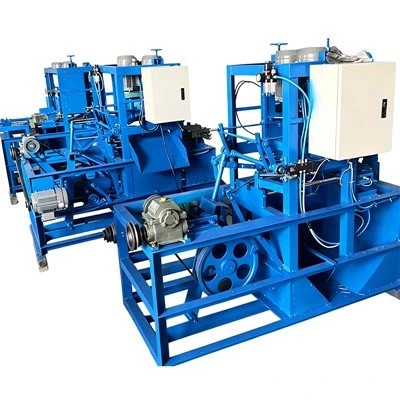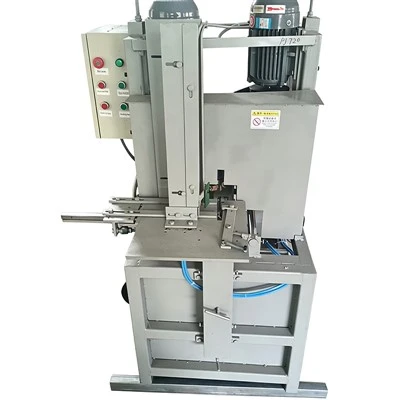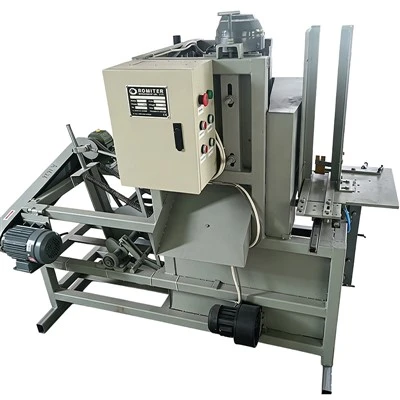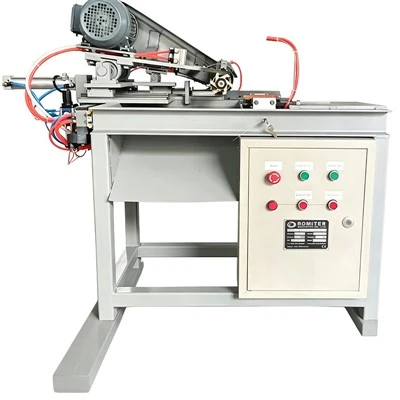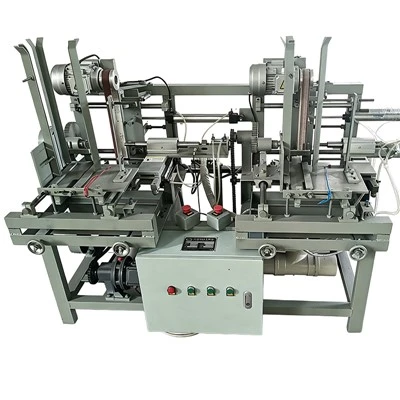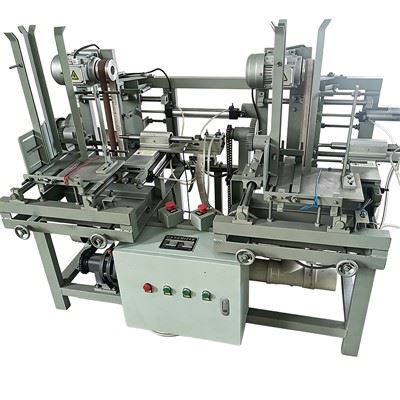
Pre-startup Preparations
Personnel and Safety Verification: Only certified, designated operators may operate the machine. Operators must wear impact-resistant goggles, cut-resistant gloves, and anti-static workwear; long hair must be fully secured, and loose clothing is strictly prohibited.
Comprehensive Equipment Pre-check:
Check that the oil level in the reservoir is above the halfway mark on the sight glass; ensure the cooling system and air supply valves are fully open; verify that the power supply voltage matches the equipment's rated specifications.
Confirm that all safety guards and emergency stop switches are intact and functional; ensure the brush is securely installed without looseness and the pneumatic clamping device is correctly positioned.
Verify that the workpiece matches the production order; ensure the slide gate valve on the dust extraction duct is fully open; ensure the work area is free of flammable or explosive debris.
Parameter Pre-adjustment and Verification:Set the rotation speed and bristle quantity parameters according to brush specifications; confirm the brush's working thickness matches the workpiece dimensions; spin-dry any damp bristles beforehand.
Standard Production Workflow
No-load Test Run: Start the equipment and run it without a load for 10–30 seconds; check that all drive components operate smoothly without abnormal noise; confirm that the pin wheel, tufting head, and bristle-separating mechanism move precisely without jamming.
Precision Material Feeding:
Cutting Process: Feed bristles into the automatic cutting machine; cut to precise dimensions; strictly control length tolerances to avoid unevenness.
Tufting/Twisting Process:Place cut bristles into the hopper; secure the stainless steel core into the twisting machine; adjust bristle spacing using "inch" (jog) mode to ensure even twisting of bristles into the core.
Mass Production Control:
Start the main spindle; feed material at low speed initially to verify even bristle distribution and secure tufting, then gradually increase to the set production speed.
Monitor brush formation in real-time during operation; fine-tune brush height, rotation speed, and pressure based on the output state; activate the vacuum suction function promptly if short material fails to feed smoothly. For fully automatic fiber-dispensing equipment, the amount of fiber within the metering mold must be checked regularly to prevent the accumulation of loose or residual fibers from causing dispensing inaccuracies that exceed limits.
Immediate handling of anomalies: If issues such as abnormal noise, fiber jams, or unstable dispensing quantities occur during operation, immediately press the emergency stop switch to halt the machine and cut off power for troubleshooting; forced operation of the equipment while a fault exists is strictly prohibited.