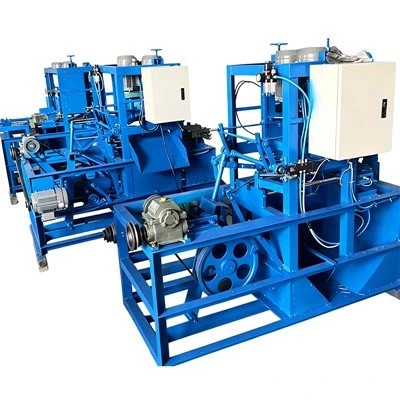
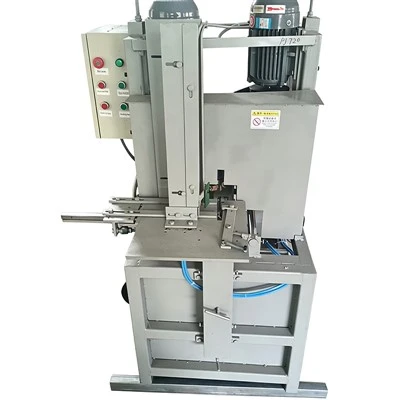
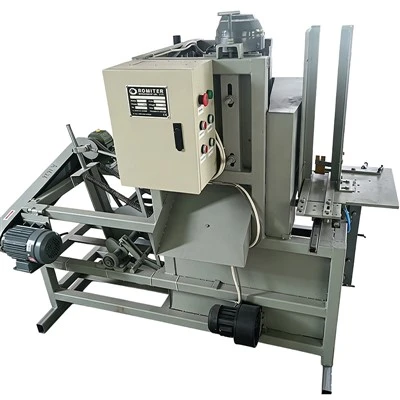
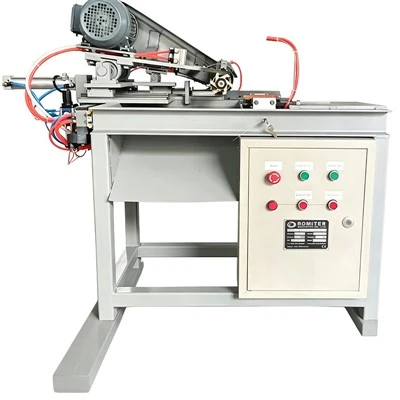
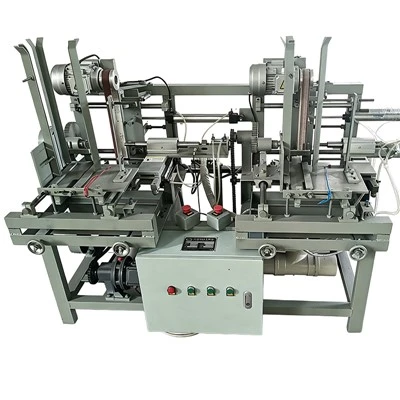
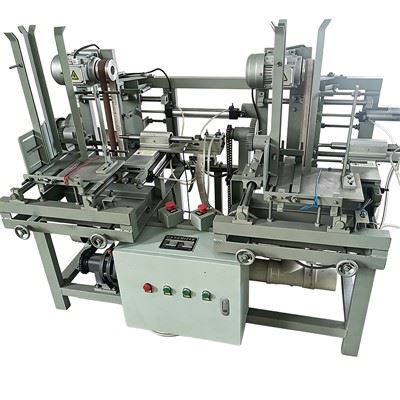
Daily Maintenance
Machine Cleaning: After operations, use a soft, lint-free cloth to clean debris and dust from the equipment surfaces, guide rails, and sliders to prevent impurity buildup that could affect operational precision.
Core Component Inspection: Check the tufting head and brush roller bristles for tangled debris; promptly remove foreign objects such as wire scraps or fabric strips. Verify that the emergency stop switch and safety guards are functioning correctly.
Basic Status Check: Touch the motor housing to ensure the temperature does not exceed 60°C; check the pneumatic unit to ensure air pressure remains stable between 0.4 and 0.6 MPa with no air or water leaks.
Weekly Maintenance
Deep Dust Removal: After disconnecting the power, use a vacuum cleaner and a soft brush to remove accumulated dust from the electrical cabinet and transmission system to prevent short circuits caused by poor heat dissipation.
Component Status Verification: Check the tension of the drive chain; the deflection when pressing the center of the chain should ideally be between 5 and 10 mm. Clean the circulating water filter and clear any clogged nozzles.
Lubrication: Apply a small amount of specialized lubricant to the guide rails and sliders; check the sealing and waterproofing of bearing housings to prevent moisture ingress and component rusting.
Monthly Maintenance
Core Component Inspection: Check the brush roller shaft ends for wear; use a dial indicator to calibrate the radial runout of the roller brush-adjust or replace if it exceeds 0.1 mm.
Lubrication System Servicing: Apply lithium-based grease to the steel roller bearings at both ends of the equipment; check the lubricant level in the motor-gearbox unit and top up with the same type of oil if necessary.
Electrical Safety Check:Tighten all wiring terminals and inspect wire insulation for damage or aging; calibrate equipment operating parameters to ensure tufting and drilling precision meet standards.
 English
- English
- Français
- Deutsch
- 日本語
- Italiano
- Español
- Português
- русский
- Nederlands
- Svenska
- Čeština
- فارسی
- हिंदी
- Cymraeg
- ไทย
- Polski
- slovenščina
- Latviešu
- Gaeilgenah Éireann
- Srbija jezik (latinica)
- Melayu
- اردو
- Bai Miaowen
- Български
- hrvatski
- slovenčina
- Ελληνικά
- România limbi
- Türkçe
- suomi
- magyar
- O'zbek
- bosanski
- Eesti
- עברית
- বাংলা
- Malti
- Việt Nam
- عربي
- íslenska
- Kreyòl Ayisyen
- dansk
- Norsk
- 한국어
- Català
- українська
- Indonesia
- Lietuvių