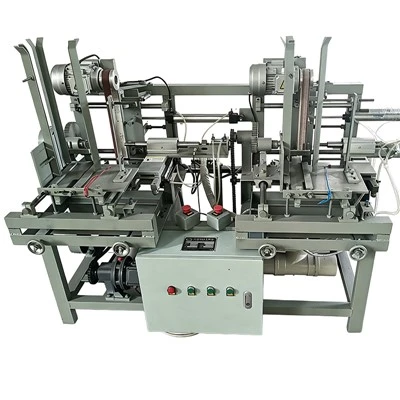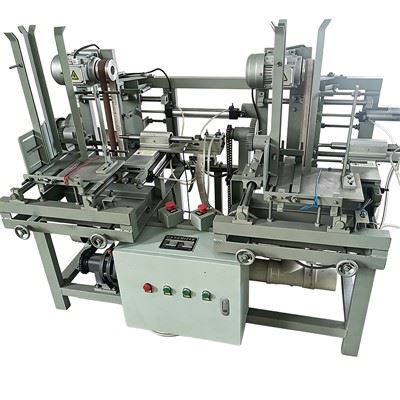
Functions in Core Production Processes
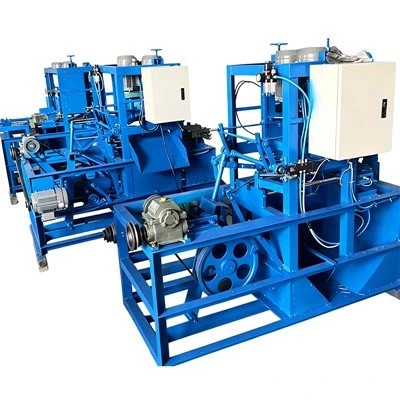
Tufting and Molding: As a core process, tufting machines precisely insert bristles of various materials into brush handles. Metal-wire tufting machines achieve efficiencies of 300–500 units/hour, while nylon-filament machines reach 200–400 units/hour, with tufting precision as high as ±0.1mm.
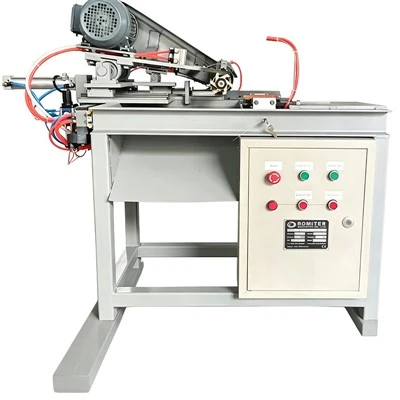
Handle Pre-fabrication:Injection molding machines produce plastic handles (typically 80–300 ton capacity, with daily outputs exceeding 10,000 units), while drilling machines create tufting holes in wooden or metal handles, accommodating hole diameters of 1–10mm to suit various bristle thicknesses.
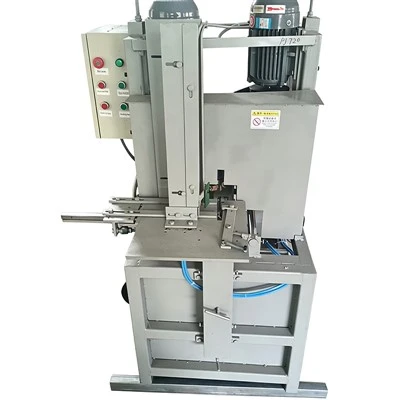
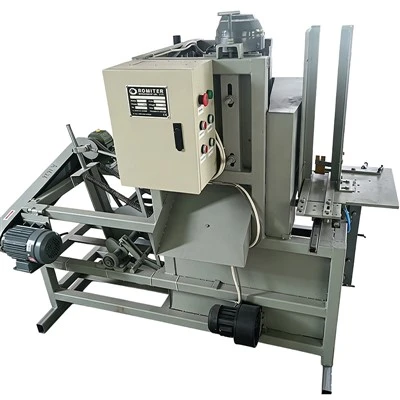
Trimming and Shaping: Trimming machines equipped with laser positioning systems keep bristle length variance within 0.5mm; they can shape bristles for irregular brushes-such as curved models-and ensure the flatness of the brush surface.
Functions in Quality Control and Production Optimization
Finished Product Inspection: Integrated tension testers verify bristle retention strength, and 3D scanners check surface flatness; the defect detection rate reaches 99.9%, preventing quality issues like bristle shedding.
Automation and Efficiency: Automated production lines integrating tufting, trimming, and packaging processes boost overall production efficiency by 40%, reduce the need for at least two manual workstations, and lower comprehensive production costs over the long term.
Environmental Compliance: Integrated dust collection systems capture debris generated during tufting and trimming, ensuring compliance with EU safety standard EN 60335-1 and improving the workshop working environment.