Three Key Directions for Technological Upgrading
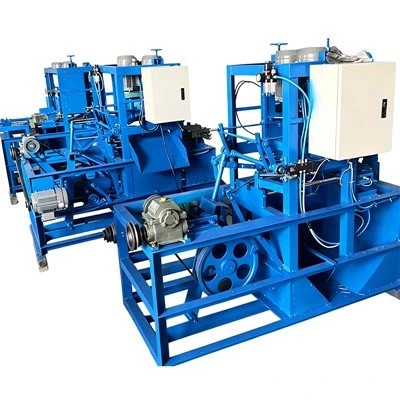
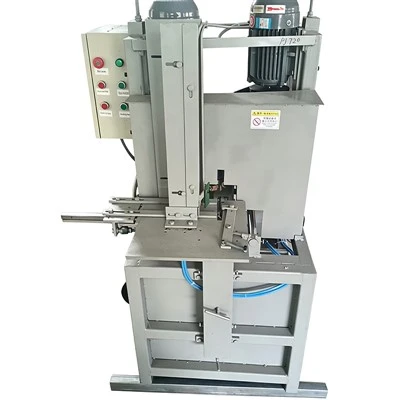
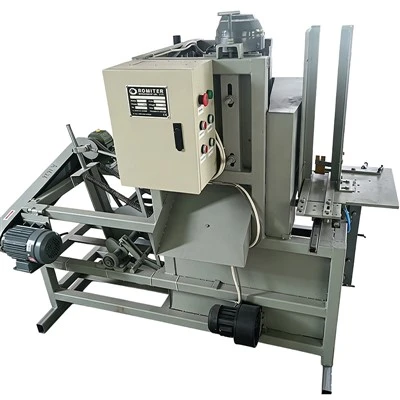
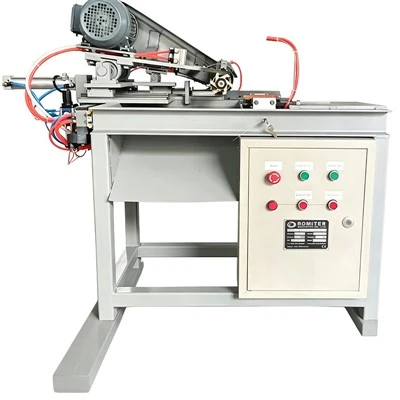
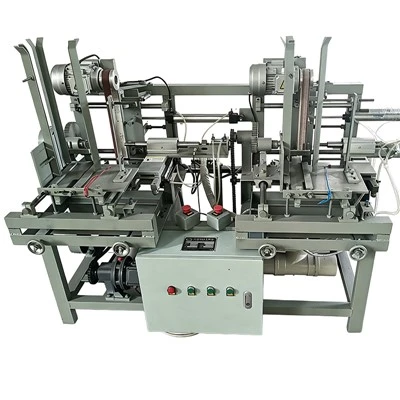
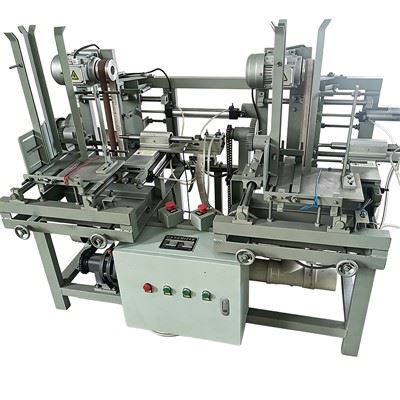
High-Precision CNC Integration: Next-generation equipment features 3D visual positioning and CNC linkage systems. Tolerances for tufting hole positioning and dynamic balancing accuracy are controlled within the 0.1mm range, with a processing pass rate over 30% higher than traditional equipment, meeting the rigorous demands of high-end sectors like semiconductors and aerospace.
End-to-End Process Integration: Integrated machines combining tufting, inspection, dynamic balancing, and post-processing have become the mainstream. Production efficiency has increased by over 40%, while standard water circulation and filtration systems ensure compliance with eco-friendly, clean production requirements.
Penetration of Smart Manufacturing: By 2030, the adoption rate of digital production models in brush manufacturing is projected to exceed 50%. Equipment can connect to production line data systems, enabling predictive analysis of bristle wear patterns and the automatic iteration of process parameters.
Prominent Advantages in Industrial Clusters and Supply Chains
Domestic brush industry clusters-such as those in Yuantan Town, Qianshan-have established complete supply chains covering raw material processing and outsourced support services, providing low-cost testing environments for localized equipment R&D and rapid iteration.
Enterprises within these clusters respond quickly to demands for non-standard customization, driving equipment manufacturers to optimize flexible production modules and shorten prototyping and delivery cycles.
Leading brush manufacturers are upgrading toward "Specialized, Refined, Unique, and Innovative" (SRUI) status; over 70 patents covering core areas like tufting processes and material formulations are directly driving upstream equipment manufacturers to overcome technical barriers.