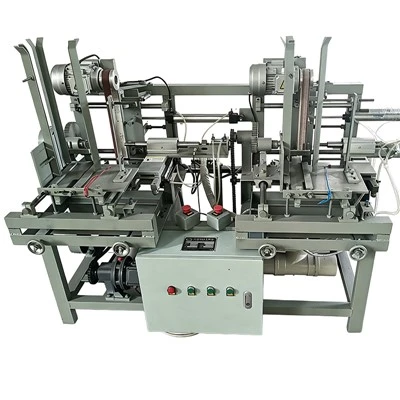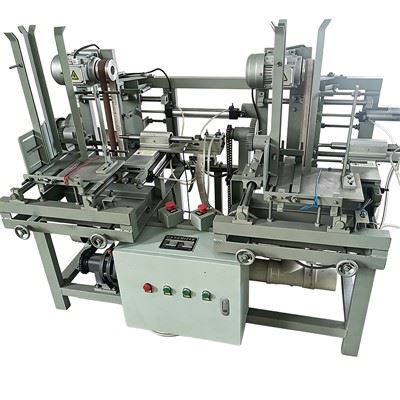
Core Workflow
Automatic Feeding: A feeding system uses devices such as vibrating hoppers and conveyor belts to transport brush bristles and handles to designated stations. Some models secure handles in blocks with grooved foam inserts to ensure stable, upright transport.
Positioning and Clamping: Clamping mechanisms-such as arc-shaped jaws driven by bidirectional lead screws or electric push-rod clamps-precisely position the handle and bristles to prevent misalignment during assembly.
Assembly and Securing: Hydraulic grippers or robotic arms insert a measured amount of bristles into the handle's mounting slot. Some models inject adhesive into the handle before pressing the bristles firmly into place, ensuring a secure bond.
Quality Inspection: Sensors and measuring instruments inspect the assembled brushes for parameters such as bristle length and attachment security, rejecting any substandard products.
Finished Product Output: Qualified brushes are automatically discharged via conveyor belt; some models can link to downstream packaging processes to enable continuous, end-to-end production.
Typical Structural Components
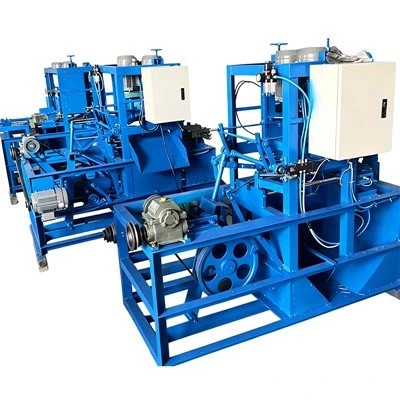
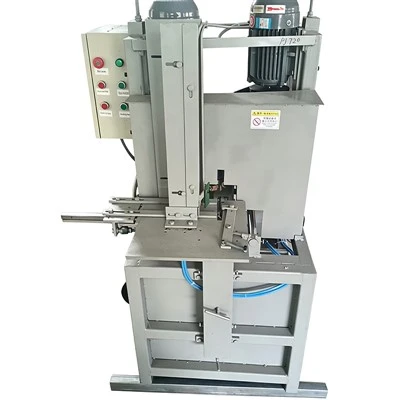
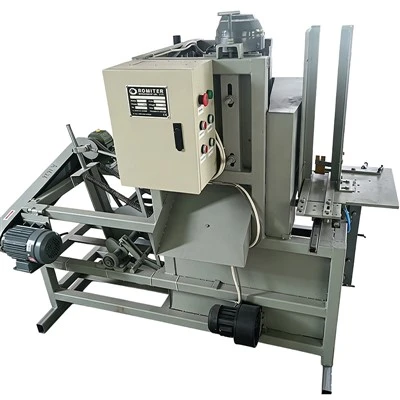
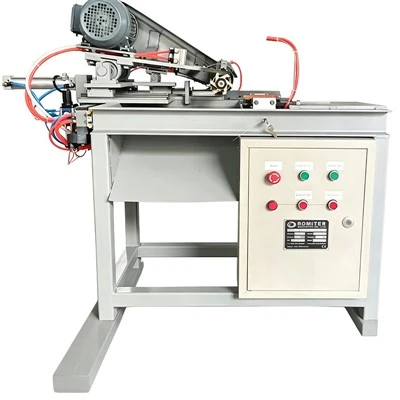
Mechanical Execution Unit: Includes core components such as the machine frame, rotary table, transmission gears, bidirectional lead screws, and robotic arms to perform material handling, clamping, and assembly tasks.
Power and Drive Unit: Powered by servo motors, pneumatic cylinders, and hydraulic cylinders to precisely control movement distances and clamping forces at each station.
Intelligent Control Unit: Centered around a PLC (Programmable Logic Controller) and integrated with touchscreens and various sensors, this unit enables adjustable parameters and automated operation across the entire process.