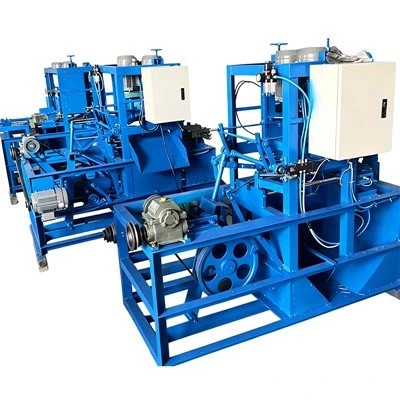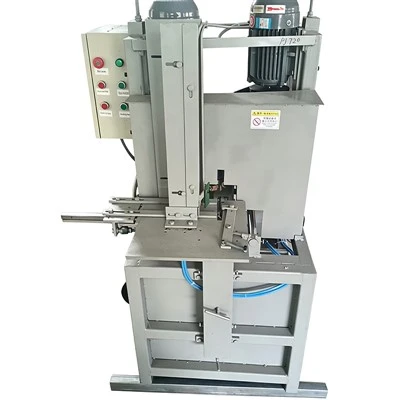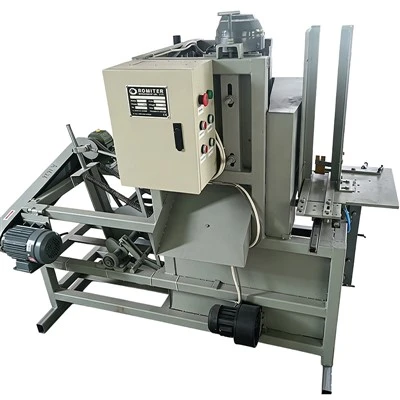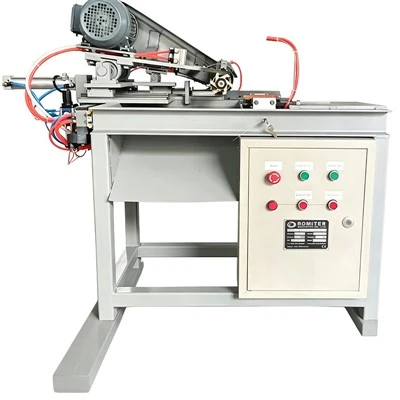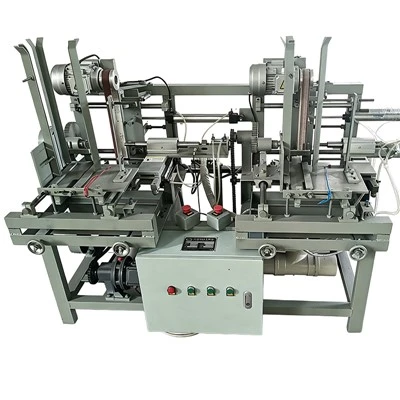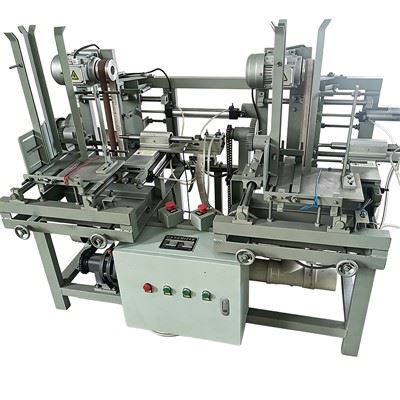
Core configurations tailored to specific industry requirements: Equipment for food processing features a 304 stainless steel body to meet food-grade hygiene standards, while equipment for semiconductor applications integrates anti-static structures to prevent electrostatic damage to components.
Operational logic adjusted to workpiece characteristics: Equipment for cleaning irregularly shaped bottles utilizes a segmented brush design-coarse bristles at the front remove large debris, while fine bristles at the rear polish the bottle walls; rotation speed and pressure are precisely controlled to prevent scratching the bottle surface.
Structural optimization for extreme operating conditions: Equipment designed for high-temperature material handling employs heat-resistant polyamide bristles and a metal base structure resistant to thermal deformation, ensuring stable operation in environments exceeding 100°C.
Precision Manufacturing Across the Entire Process Ensures Stability
Precision deviations during production are eliminated through high-precision mechanical structures and closed-loop quality control designs.
Strict control of core machining precision: Positioning accuracy for bristle insertion holes is maintained within ±0.1mm, and bristle cutting tolerance is kept under ±0.5mm to prevent eccentric vibration during high-speed operation.
Mandatory dynamic balancing design: All rotating brush assemblies undergo laser-calibrated counterweight balancing before shipment, limiting high-speed vibration amplitude to below 0.05 mm/s to extend the service life of the main unit's bearings.
Closed-loop precision management: A comprehensive inspection system spans the entire process from raw material intake to finished product shipment; durability testing under simulated operating conditions ensures zero-deviation product delivery.