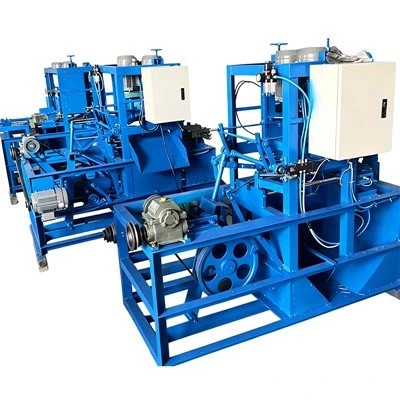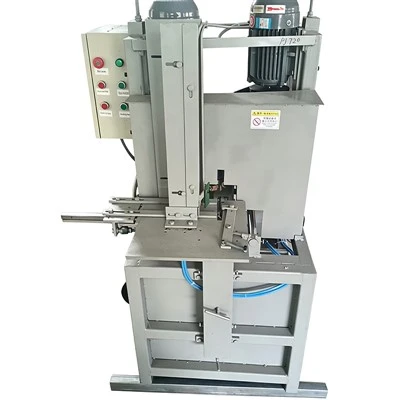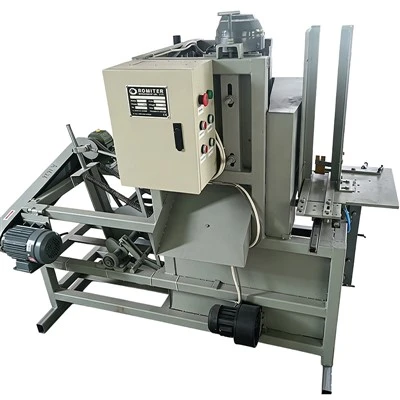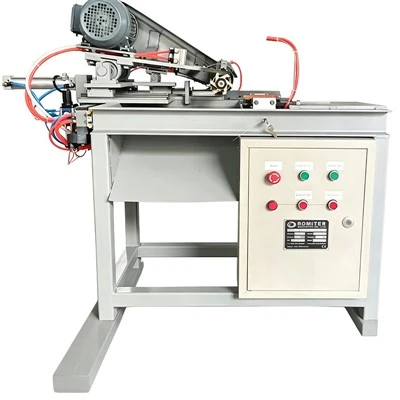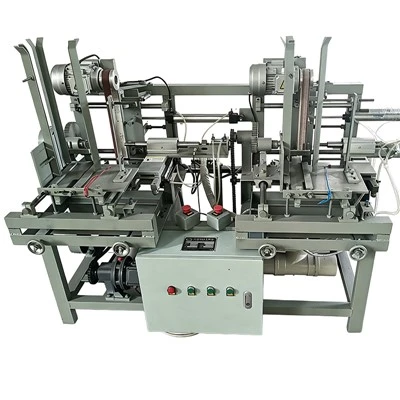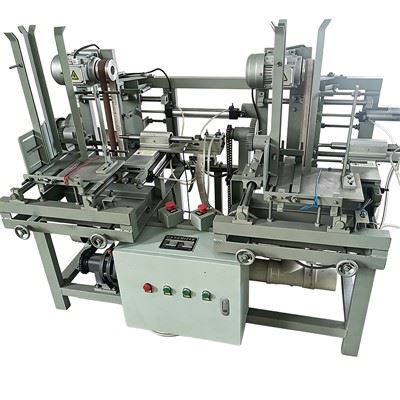
Machining of the Frame and Base Components
Raw Material Cutting: Thick-walled carbon steel square tubing, steel plate, or cast iron serves as the base material; a sawing machine cuts the material according to blueprint dimensions, leaving a 2–3 mm machining allowance.
Forming and Aging Treatment: Sheet metal is bent and formed using punch presses and rolling machines, then welded to assemble the main frame structure; this is followed by vibratory or natural aging to relieve welding stresses and prevent deformation during long-term operation.
Precision Machining: Drilling, tapping, and milling are performed on the frame's guideway mounting surfaces and spindle bores, ensuring the flatness error of critical mounting surfaces is controlled within 0.02 mm.
Manufacturing of Core Functional Components
Spindle and Cutter Head Assembly:The spindle is machined from high-hardness alloy steel and undergoes quenching and dynamic balancing, keeping radial runout within 0.01 mm; the cutter head utilizes a solid carbide tool paired with a spring-loaded adjustment mechanism to achieve precise, gradual control of the cutting radius.
Transmission System Components: Gears, racks, and guideways undergo high-frequency quenching to enhance surface hardness; pre-tensioning nuts are used to eliminate backlash, achieving a repeat positioning accuracy of within 0.01 mm.
Pneumatic and Actuation Components:Components such as cylinders and robotic grippers feature a modular design; the gripper contact faces are machined with a triangular arrangement of fixing pins to prevent the wooden handle from splitting during clamping.