
If you’ve ever walked a overgrown field, forest edge, or even a residential lot choked with thick weeds, brambles, and low-lying brush, you know how tedious—and costly—it is to clear that space manually or with outdated tools. As a brush trimming machine supplier, I get asked all the time: “What’s the real cost of running one of these machines? Not just the upfront price, but the daily, monthly, and yearly expenses that add up before you even finish a single job.” The answer isn’t just about the machine itself—it’s about tying together labor, fuel, maintenance, downtime, and how the right equipment can actually save you money in the long run. Let’s break this down, using real-world data from the hundreds of brush trimming machines we’ve installed on farms, land development sites, and municipal properties across North America and Europe.
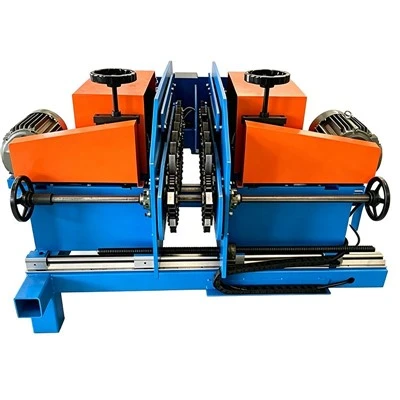
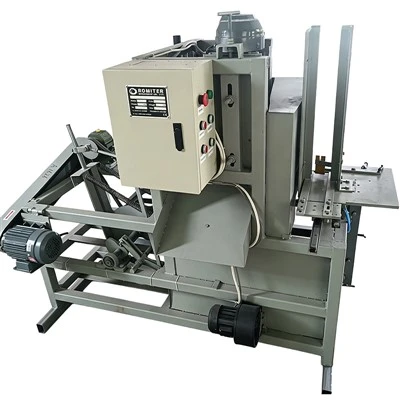
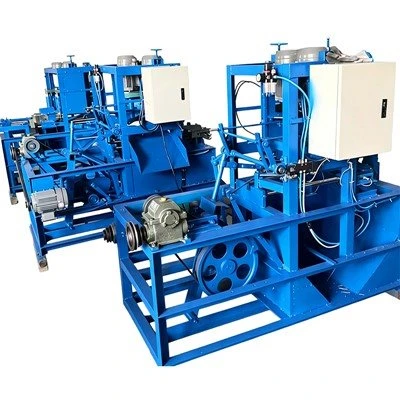
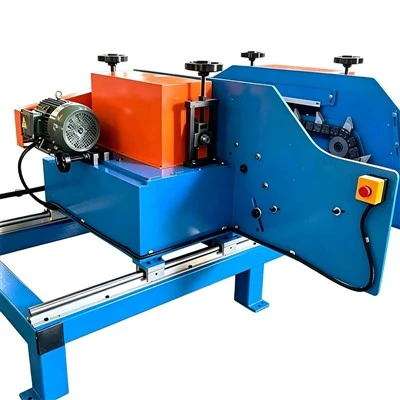
First, let’s start with the most obvious cost: the machine itself. When I chat with new customers, many assume all brush trimmers are the same, but that’s not true. A small, walk-behind brush clearing trimmer for residential lot cleanup costs around $2,500 to $4,000, while the heavy-duty automatic brush trimming machine designed for commercial or large-scale brush clearing can run $15,000 to $50,000, depending on horsepower, cutting width, and additional features like mulching attachments or GPS integration. That upfront number is a big sticker shock, but it’s important to frame it against what you’d spend on alternative tools. For example, if you’re clearing a 1-acre plot, using a manual weed eater or a small brush clearing weed wacker would take 8 to 10 hours of labor for a single worker, costing roughly $120 to $150 just in wages—before you factor in the cost of replacing broken trimmer heads, fuel for the tool, and downtime from operator fatigue. The automatic machine can do that same 1-acre job in 1 to 2 hours, cutting labor costs by 75% right out the gate.
Next, operational costs. Let’s dive into the day-to-day expenses of running a brush trimming machine, starting with fuel or power. Most mid-sized brush trimmers use gas engines, with fuel efficiency hovering around 1.5 to 2 gallons per hour. For a job that takes 4 hours, that’s 6 to 8 gallons of gas—at current average prices of $3.50 per gallon, that’s $21 to $28 per day. Larger automatic models might use diesel, which is slightly cheaper per gallon, but their higher horsepower means they burn 3 to 4 gallons per hour, so a 4-hour job would run $42 to $56 in fuel. If you’re using electric models (ideal for indoor or noise-sensitive jobs), operational costs drop significantly—most electric brush trimmers run on 110V or 220V power, with average electricity use of $0.10 to $0.15 per hour, translating to just $0.40 to $0.60 for a full day of use. That’s a massive difference for contractors who run their machines 5 days a week.
Labor is another make-or-break operational cost, especially for teams that use brush trimming as part of their core business. A single operator can run a walk-behind brush clearing trimmer for 6 to 8 hours a day, as long as they take 30-minute breaks every few hours to avoid burnout. For a commercial job, that operator’s hourly wage is $18 to $25 per hour, plus benefits and workers’ comp, bringing the total labor cost to $22 to $32 per hour. Contrast that with a two-person team using multiple handheld weed eaters for the same job: each worker is less efficient, can only cover 0.2 to 0.3 acres per hour, compared to 1 to 1.5 acres per hour for a single automatic brush trimming machine. For a 5-acre job, the handheld team would take 17 to 25 hours of labor, costing $374 to $800, while the automatic machine would take 5 to 6 hours, costing $110 to $192. The gap only widens for larger jobs—like the 10-acre municipal brush clearing projects we regularly supply machines for—where labor costs for handheld tools can run into thousands of dollars, versus a few hundred for machine operation.
Maintenance and repair costs are often overlooked when calculating the total cost of running a brush trimming machine, but they add up fast if you don’t plan for them. A good rule of thumb for gas-powered brush trimmers is 5 to 10% of the machine’s purchase price per year on maintenance. That includes oil changes, air filter replacements, spark plug swaps, and blade or trimmer head sharpening. For a $4,000 walk-behind model, that’s $200 to $400 per year; for a $25,000 automatic model, that’s $1,250 to $2,500 per year. Repairs are another variable—small issues like a loose belt or a clogged carburetor might cost $50 to $150, while major work like replacing a worn engine or hydraulic system can run $1,000 to $3,000. The key here is proper care: changing the oil every 50 hours, cleaning the air filter after every use, and storing the machine in a dry, covered space can cut repair costs by 30 to 40%, according to data from the Equipment Management Association. Many of our customers who use our brush clearing trimmers and stick to a regular maintenance schedule report spending 20% less on repairs each year than those who skip routine checks.
Downtime is a hidden cost that’s even harder to quantify, but it’s one that can make or break a project timeline and your bottom line. If a handheld weed eater breaks, you might be able to grab a backup from your truck and keep working—unless all your tools are in use. But a brush trimming machine, especially an automatic one, is a high-investment asset that requires specialized parts and technicians. If a blade breaks mid-job, you might have to wait 24 to 48 hours for a replacement, delaying your project and potentially costing you late fees or lost customer contracts. That’s why many of our commercial clients opt for extended maintenance plans that include on-site repairs and priority part shipping—adding $50 to $100 per month to their costs, but eliminating most unplanned downtime. We’ve seen customers who run their brush trimmers 1,000 hours a year cut their downtime by 60% with these plans, translating to thousands of dollars in avoided revenue loss.
Now, let’s compare these costs across different machine types to give you a clearer picture of what you might spend based on your needs. For a small landscaping business that does residential brush cleanup, a brush clearing trimmer (walk-behind) would cost you roughly $5,000 upfront, $300 per year in maintenance, $1,000 per year in fuel, and $15,000 per year in labor (assuming 100 hours of use per month, 12 months a year). Total first-year cost: ~$20,300. For the same business, using a handheld weed eater or brush clearing weed wacker would cost $0 upfront, but $500 per year in tool replacements, $2,000 per year in fuel, and $45,000 per year in labor. That’s $22,500 more per year than investing in a walk-behind machine.
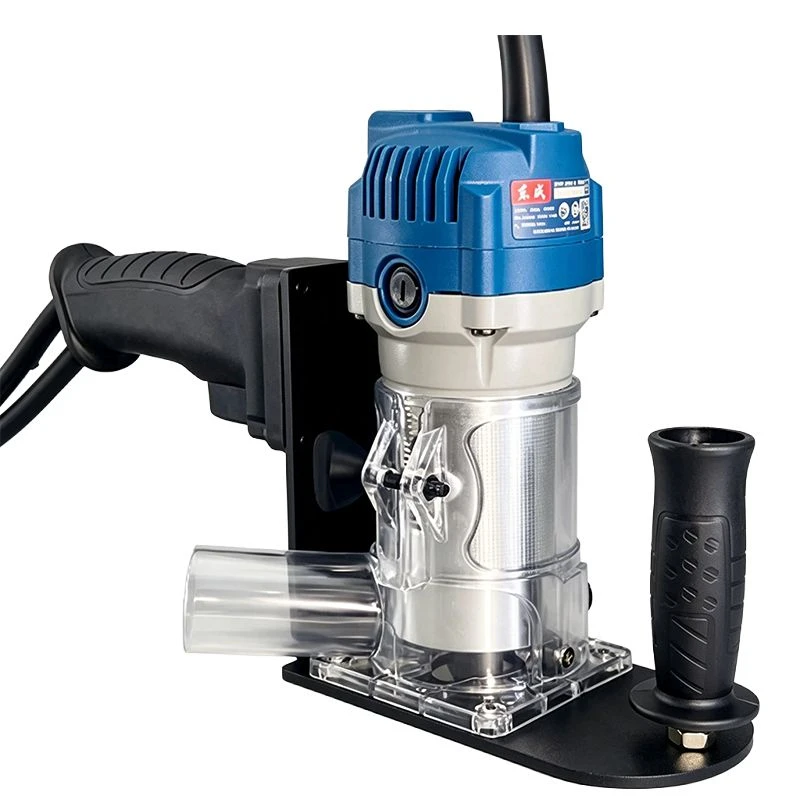
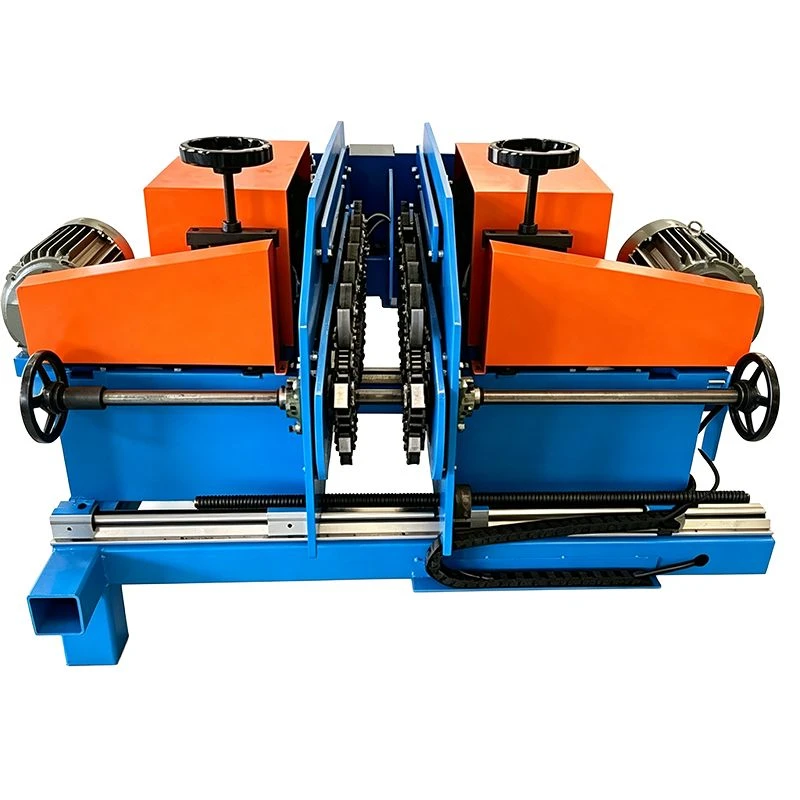
For a large-scale land development company or municipal parks department, an automatic brush trimming machine might have a $30,000 upfront cost, $2,000 per year in maintenance, $8,000 per year in fuel, and $25,000 per year in labor (assuming 200 hours of use per month). Total first-year cost: ~$65,000. In contrast, using a team of 5 handheld workers for the same workload would cost $0 upfront, $1,000 per year in tool replacements, $4,000 per year in fuel, and $150,000 per year in labor. That’s a whopping $85,000 saved in the first year alone by switching to an automatic machine.
Of course, there are variables that can shift these numbers, like how often you use the machine, the density of the brush you’re clearing, and whether you choose to buy new or used. A used brush trimming machine from a reputable dealer might cost 50 to 70% less upfront, but it could require more frequent repairs—so it’s important to inspect the machine’s hour meter and maintenance history before buying. For casual users who only clear brush a few times a year, renting a brush clearing trimmer is another option, costing $150 to $300 per day plus fuel, which is cheaper than buying if you don’t need the machine regularly.
Another factor to consider is the long-term return on investment (ROI) of a brush trimming machine. For a landscaping company that clears 20 acres of brush per year, the average ROI for a walk-behind machine is 1 to 2 years, while an automatic machine for large-scale projects has an ROI of 3 to 4 years. After that, every hour you run the machine is almost pure profit, since your biggest costs (upfront purchase, labor, maintenance) are already factored in. We had a customer in Ohio who runs a brush trimming business for residential and commercial clients—he bought his automatic brush trimming machine 5 years ago, and now he clears 15 acres a month, with monthly operational costs of $1,200 versus $6,000 he used to spend on labor and tools. He told me last year he made over $120,000 in profit from jobs he couldn’t even take on before he had the machine.
One thing I always emphasize to customers is that the right machine for your needs isn’t just about the lowest upfront cost. If you’re only clearing small residential lots, a high-powered automatic machine is overkill and will waste your money on extra features you don’t need. But if you’re clearing 5+ acres regularly, a cheap handheld weed eater or brush clearing weed eater will cost you more in labor and replacements than investing in a proper brush trimming machine. That’s why we work with every customer to assess their specific needs, from the size of their jobs to their budget, to help them pick the machine that gives them the best value.
If you’re still on the fence about whether a brush trimming machine is worth the cost, let’s talk about the hidden benefits that don’t show up on a spreadsheet. Using a brush trimming machine is much safer than using handheld tools—operators don’t have to bend over for hours, swing heavy tools, or deal with flying debris that causes injuries. According to the Occupational Safety and Health Administration (OSHA), brush trimmer-related injuries account for over 10,000 emergency room visits each year, with most stemming from repetitive motion or tool kickback. A well-designed brush trimming machine drastically reduces those risks, cutting workers’ compensation costs and keeping your team on the job. Additionally, modern brush trimmers with mulching attachments turn cleared brush into fine mulch that can be used on-site for landscaping or compost, eliminating the cost of hauling away debris and even creating a small revenue stream from selling mulch to local garden centers.
At the end of the day, the cost of running a brush trimming machine depends entirely on how you use it. It’s not just about the price tag of the machine, but the labor you save, the maintenance you plan for, and the jobs you can take on that you couldn’t before. Whether you’re a small business owner looking to upgrade your tools, or a large organization in need of high-volume brush clearing equipment, we have a range of machines to fit every need. If you’re ready to learn more about how a brush trimming machine can lower your operational costs and boost your productivity, we’d love to connect with you to discuss your specific project requirements. We can walk you through the details of our [Brush Clearing Trimmer], [Automatic Brush Trimming Machine], or any of our other models, and help you find the perfect solution for your budget. Don’t let outdated tools eat into your profits—let’s talk about how a brush trimming machine can help you work smarter, not harder.
References:
- Equipment Management Association. (2023). Annual Maintenance Cost Benchmarks for Landscaping and Construction Equipment.
- Occupational Safety and Health Administration. (2022). Workplace Injuries from Handheld Brush Trimmers and Weed Eaters.
- National Association of Landscape Professionals. (2023). Commercial Landscaping Operational Cost Analysis.
- Midwest Agricultural Equipment Dealers Association. (2023). Brush Trimmer ROI for Small-Scale Commercial Operators.
- Weed Eater Industry Report. (2022). Comparative Cost Analysis of Handheld vs. Mechanical Brush Clearing Tools.