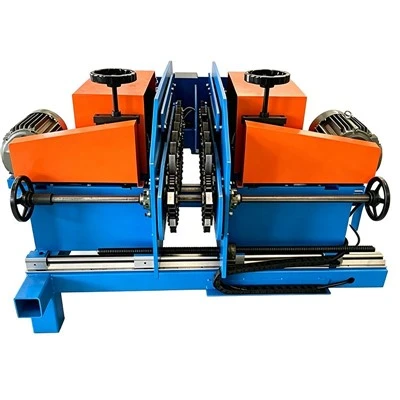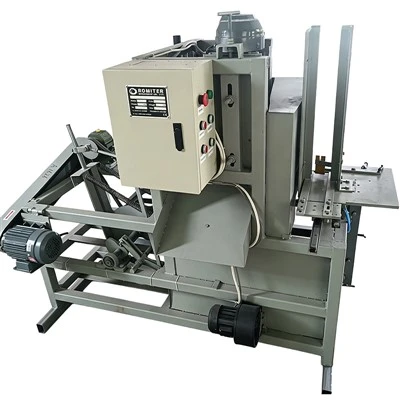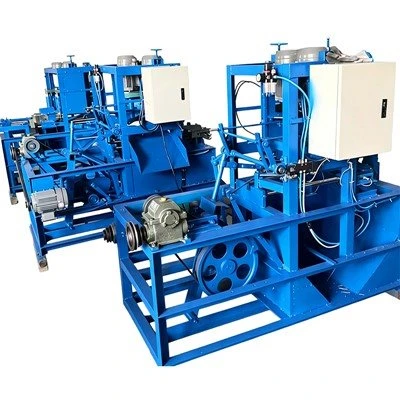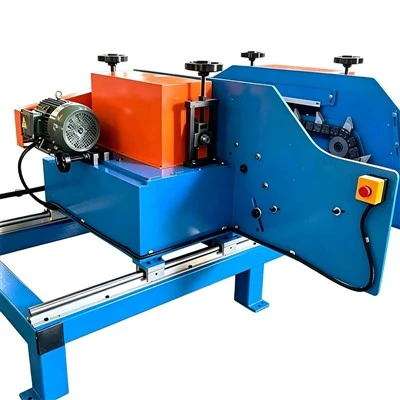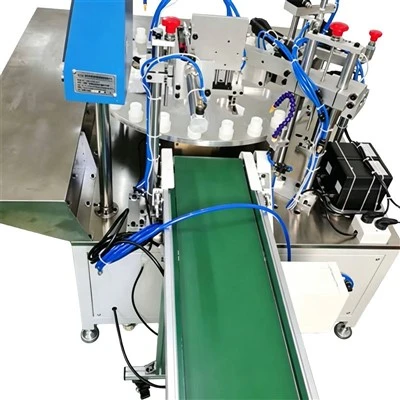

If you’re in the market for an automatic brush machine, you already know that buying one isn’t just about picking a piece of equipment—it’s an investment in your production line, your bottom line, and your ability to meet growing customer demand. As a supplier who’s worked with brush manufacturers large and small for over a decade, I’ve seen more than a few buyers make costly mistakes by skipping pre-purchase testing, trusting generic specs instead of hands-on performance, or underestimating how a machine will integrate with their existing workflow. Today, I’m pulling back the curtain on exactly how to test an automatic brush machine before you sign on the dotted line—no fluff, no sales pitches, just the real-world insights I’ve gained working side-by-side with production managers, line supervisors, and small business owners.
Start With the Basics: Know What You Need Before You Test
Before you even step foot on a supplier’s demo floor, you need to have a clear, non-negotiable list of your production requirements. Testing a machine that can make 10,000 small paintbrushes per hour is a totally different process than testing one for large industrial brooms, so aligning your needs upfront will keep you from wasting time on machines that can’t serve your purpose.
Think about: What brush types do you make? If you focus on household utility brushes, a standard automatic brush machine will work, but if you’re producing industrial-grade scrub brushes for construction or janitorial use, you’ll need to prioritize durability and consistency in bristle placement. That’s where looking at specialized models like the Industrial Brush Making Machine early on can help narrow your focus, rather than testing every machine under the sun.
You’ll also want to note your average production run size, required brush dimensions (length, bristle density, ferrule size), and any output targets—like how many units per hour you need to hit to keep up with orders. Having these numbers locked in before testing means every part of your demo is measured against something real, not a sales rep’s vague claims.
Hands-On Testing: The Core Components to Evaluate
Once you’re ready to test, don’t let the supplier run the whole demo for you. Get hands-on—adjust settings, load your own raw materials, run short production runs, and push the machine just enough to see how it holds up. Here’s what to focus on, step by step.
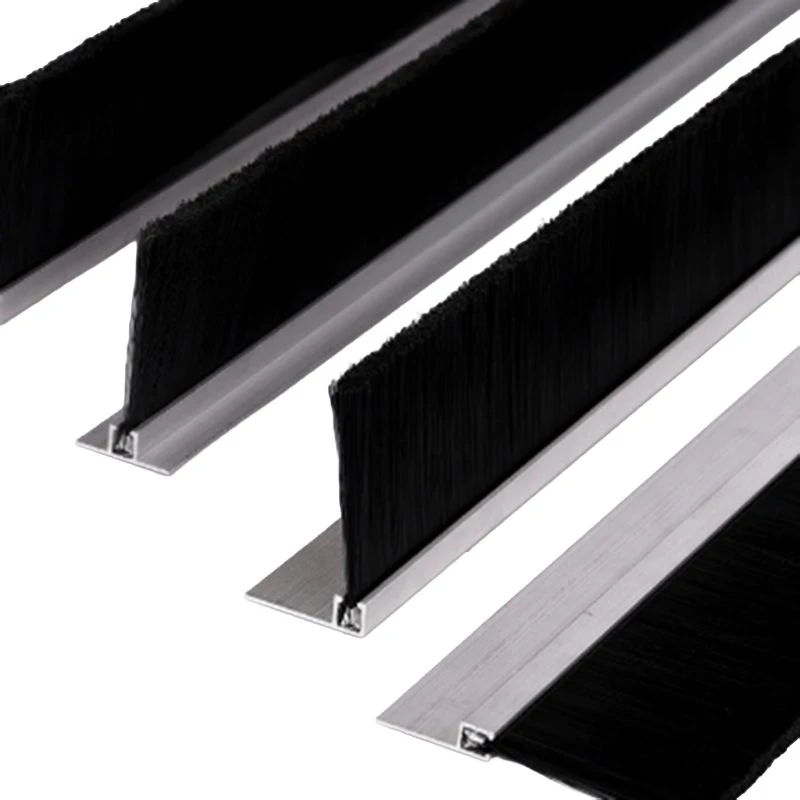
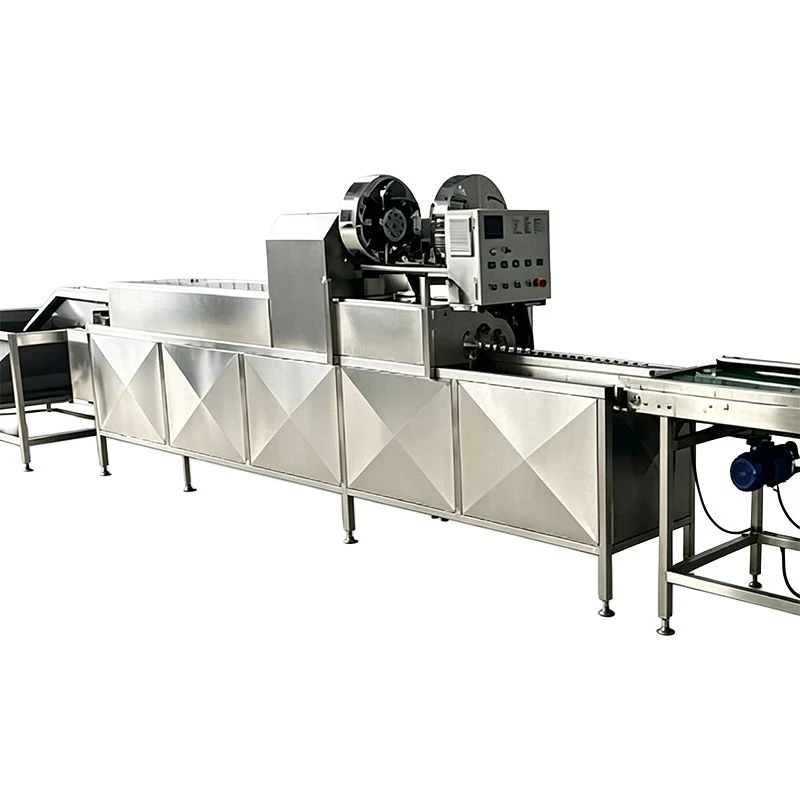
1. Bristle Tufting Accuracy and Consistency
This is the most critical function of any automatic brush machine. Even a small inconsistency in bristle length, spacing, or insertion depth can lead to thousands of defective units, wasted materials, and unhappy customers. Start by loading your actual bristle material—don’t use a sample the supplier provides, because different bristle types (nylon, polyester, natural fibers) perform differently. Run a 50-unit test batch of your most common brush type, then measure every tuft across several finished brushes.
Look for:
- Uniform bristle length within each tuft (variation should be less than 0.5mm for most standard brushes)
- Consistent spacing between tufts—no gaps or overlapping that would leave bare spots or overcrowded areas
- Proper ferrule crimping, too—loose ferrules are a common failure point, so check that the machine’s ferrule crimper applies even pressure all around the ferrule. If you’re working with specialty ferrules, bring a sample to test, or ask if the demo can include a ferrule making machine attachment if you’re sourcing your own components.
I once had a buyer test a machine that looked great on paper, but when they ran their own polypropylene bristles, the tufting head skipped every third insertion, leading to a 12% defect rate. By catching that during testing, they avoided a $50,000 mistake—something a sales rep’s demo with the supplier’s pre-loaded bristles never would have shown them.
2. Speed Versus Quality Balance
Sales reps love to brag about maximum output rates, but 9 times out of 10, those maximum rates only work with perfect raw materials, no downtime, and minimal variation. The real test is how the machine performs at your required production speed, not the manufacturer’s advertised top number. During your demo, run batches at both your current speed target and 10% above it, and 10% below it, to see where the sweet spot is.
For example, a multi row brush tufting machine might advertise 15,000 units per hour, but that number drops to 12,000 when working with coarse, 50mm bristles—something you need to know before you plan your production schedule. Pay attention to downtime between batches, too: how long does it take to change brush sizes or bristle types? A machine that can switch over in 15 minutes is far more valuable than one that takes an hour, even if it runs slightly slower, for small to mid-sized runs.
3. Ease of Use and Maintenance
A high-speed machine that requires a team of skilled technicians to operate isn’t worth it if you can’t find or afford that labor. During testing, have a member of your team who will actually run the machine operate it for part of the demo, not just the supplier’s trained operator. Ask them to:
- Navigate the control panel: Is it intuitive, or do you have to pull a manual for every small adjustment?
- Perform basic troubleshooting: What happens if a bristle jams? How long does it take to clear a jam without tools?
- Change wear parts: Things like tufting needles or crimping dies will need replacing over time—how easy is it to swap them out, and do spare parts cost a reasonable amount?
I’ve seen many buyers overlook maintenance during testing, only to find 6 months later that their machine requires specialized parts that take weeks to order, leading to costly production stops. Always ask for a list of recommended wear parts and their lead times before you test, and factor that into your evaluation.
Integration Testing: How It Fits With Your Current Workflow
An automatic brush machine doesn’t exist in a vacuum. It has to connect with your existing equipment, space, and processes to deliver real value. This is where many buyers make a huge mistake by only testing the machine in isolation, not in the context of their own production facility.
Start with space: Measure the machine’s footprint, including any required clearance for loading materials, removing finished brushes, and maintenance. Many buyers show up to pick up their new machine only to realize it’s too wide to fit through their loading bay, or there’s not enough space to move 100 finished brush per hour without blocking the line. If you’re adding a machine to an existing production line, bring a layout of your facility to the demo, and ask to see how it would fit—many suppliers will bring a scaled model for this exact purpose.
Next, check raw material handling: Where do your bristles come in, and where do finished brushes go? Does the machine need a conveyor to feed raw bristles, or will it work with your existing material feed system? If you’re using a complete setup, ask to see how the automatic brush production line works in a full run, not just individual components. For example, a line that includes a separate ferrule making machine might create bottlenecks if the feed rate doesn’t match your tufting machine’s output.
Finally, power and utilities: What kind of electricity does the machine require (voltage, phase)? Does it need compressed air, water, or any other utilities that your facility might not have readily available? Adapting your space to a machine’s utilities requirements can cost thousands of dollars, so confirm this during testing, not when the machine is on your loading dock.
Beyond Performance: Vendor Support and Long-Term Value
Testing a machine isn’t just about the machine itself—it’s about the company that stands behind it. After all, even the best machine will break down eventually, and you’ll need a reliable supplier to help you get back up and running. During the testing process, use this time to vet the supplier, too.
Ask for references from other buyers in your industry, and follow up with them. Questions like, “How quickly do they respond to service requests?” “Do they provide on-site training?” and “Are spare parts readily available?” will give you a much better sense of what working with the company is like than any sales pitch. Also, ask about training: Will the supplier send technicians to your facility to train your team, or do you have to send them to the supplier’s location? On-site training is almost always more valuable for production teams, especially if you have limited experience with the machine.
Red Flags to Watch Out For During Testing
Not every demo will go smoothly, and some red flags are worth walking away from. Watch for:
- A sales rep who won’t let you run the machine with your own raw materials: This is a huge red flag—they’re hiding something, either that the machine won’t work with your bristles, or that they don’t have a good track record with their product.
- Excessive downtime during the demo: If the machine stops for jams every 5 minutes during a test run, that’s not a “normal quirk”—that’s a flaw that will cost you thousands in production.
- Vague or evasive answers to your questions: If they can’t give you clear numbers on defect rates, maintenance costs, or lead times for spare parts, that’s a sign they’re not transparent about their product.
Final Pre-Purchase Check: Document Everything
Once you’ve completed all your tests, don’t rely on memory. Document every number, every observation, and every question you asked. If possible, record the demo (with the supplier’s permission) so you can go back and review details later. Compare notes from your team members who operated the machine, and rank the machines you tested against your non-negotiable requirements. Remember: The cheapest machine upfront isn’t always the best value if it has high defect rates, frequent downtime, or poor support.
At the end of the day, buying an automatic brush machine is a big decision, but taking the time to test thoroughly will save you from costly mistakes and set your production up for long-term success. Whether you’re a small business owner looking to scale up or a production manager at a large industrial facility, the right machine will deliver consistent quality, fast output, and reliable support—you just have to make sure you find it during testing. If you’re ready to explore options that fit your specific needs, feel free to reach out to discuss your requirements further.
References
- Brush Manufacturing Industry Association. (2022). Pre-Purchase Testing Guidelines for Automatic Brush Making Equipment. Retrieved from industrypublication.com
- Industrial Equipment Manufacturers Association. (2021). Workflow Integration Best Practices for Automated Production Lines. Retrieved from iemanet.org
- Small Business Administration. (2020). Investing in Automated Equipment: A Guide for Small Manufacturers. Retrieved from sba.gov/manufacturing-resources