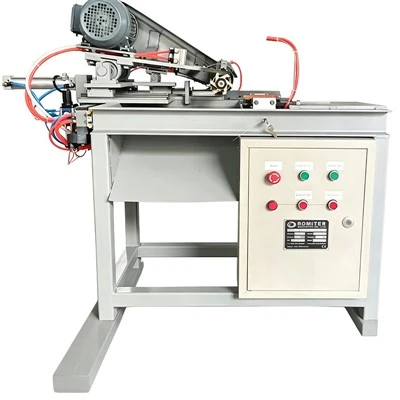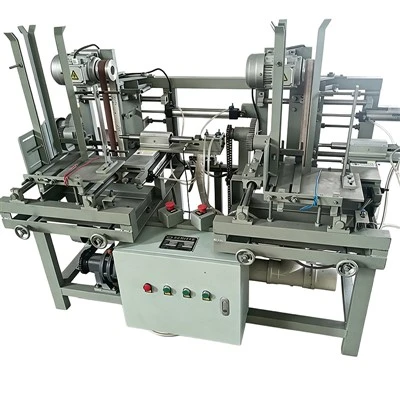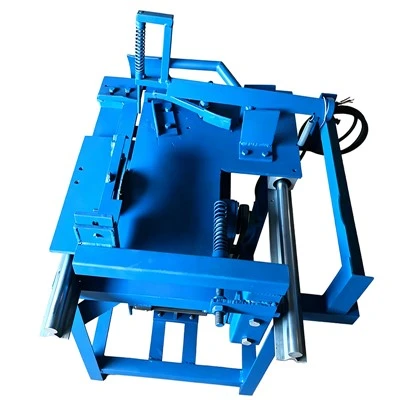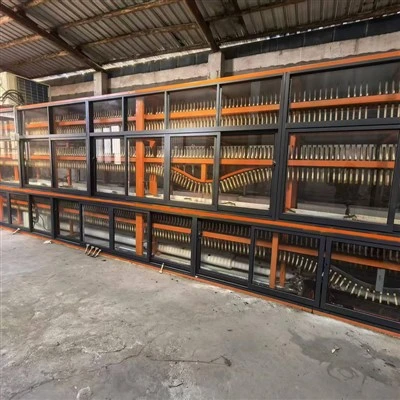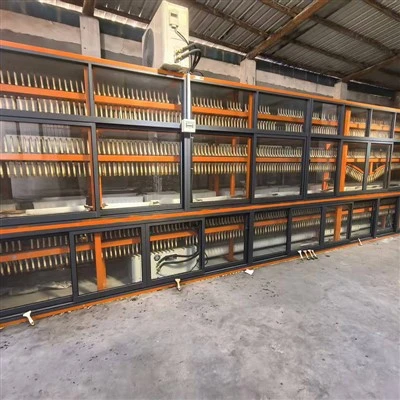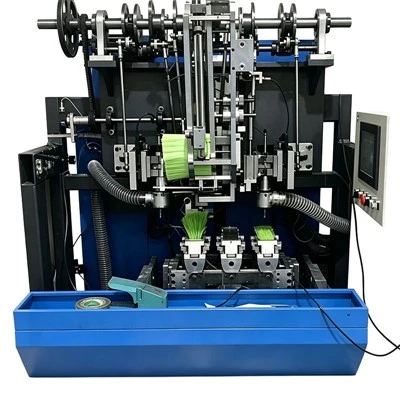
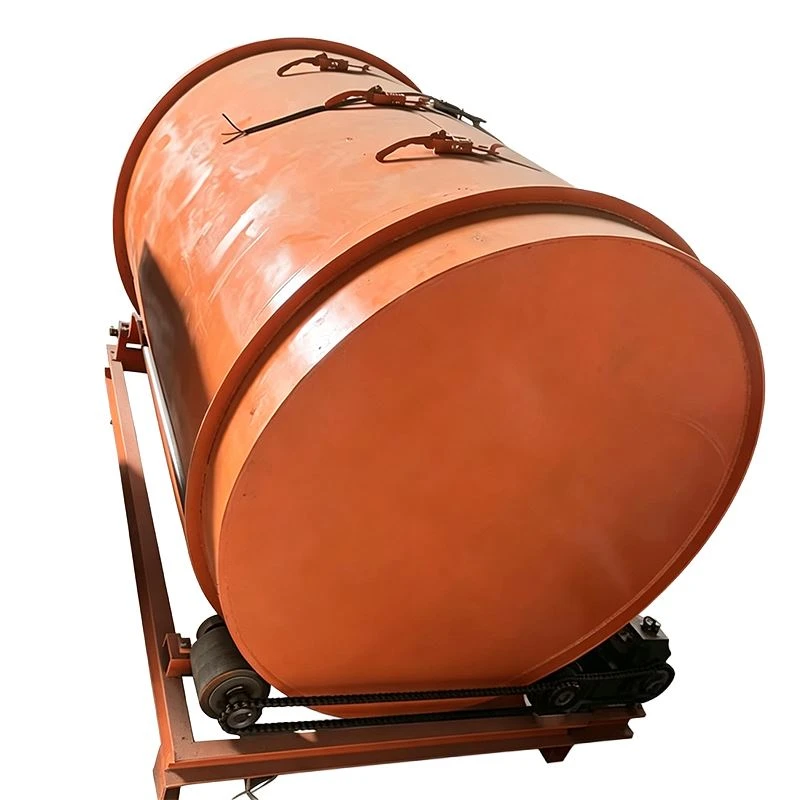
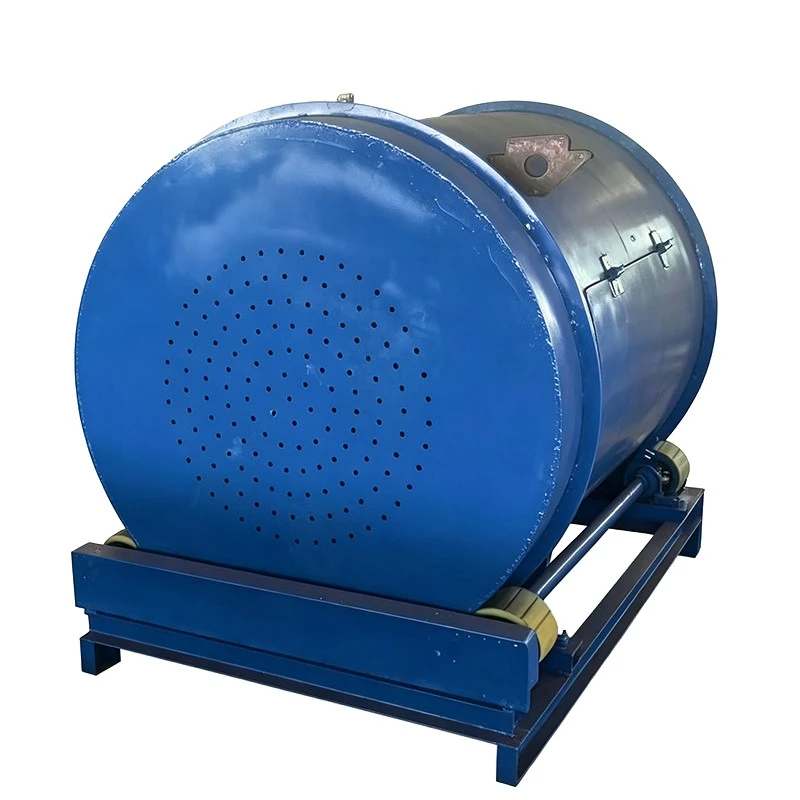
For wood products with consistently flat or cylindrical surfaces, roller coating offers a controlled and economical method of paint application. This system employs two rollers in sequence-a metering roller and a coating roller-with the gap between them serving as the primary control point for determining how much paint is transferred and, consequently, the final film build on the workpiece.
The machine is well-suited for paintbrush handles and similar cylindrical wooden components, where regularity of shape allows the rollers to maintain even contact. Compared to dip-tank finishing, roller application provides superior control over coat thickness and reduces material waste, making it a preferred choice for production environments where both quality and consumable costs are closely monitored.
Dialling in the Right Film Thickness
The ability to vary the spacing between the two rollers is central to the machine's functionality. By widening or narrowing this gap, operators can fine-tune the paint volume delivered to the wood surface without altering other process variables. This straightforward mechanical adjustment gives manufacturers a reliable way to achieve consistent coating results across different batches.
It is worth noting that roller coating and dip coating serve different purposes. Immersion is generally better for complex, irregular shapes that require total encapsulation, while roller coating excels when surface evenness and paint economy are the priorities. The choice between the two approaches should therefore be guided by the handle's geometry and the specific finish quality the customer wants to achieve.
The physical and chemical properties of the coating material directly influence how well it transfers from the roller to the wood. Oil-based and water-based paints, for example, behave quite differently on rubber or polyurethane surfaces. Shengfeng Machinery takes this into account by offering rollers with varying hardness levels and surface finishes, matched to the paint type being used.
All rollers are machined in-house on CNC equipment, with careful attention paid to roundness and surface smoothness. This internal capability ensures that every critical component meets the required tolerances, which in turn supports consistent coating performance. The company views this component-level manufacturing control as an essential part of delivering equipment that truly fits the demands of wooden handle finishing.

Validate with Your Own Materials Before Committing

One of the most practical steps a buyer can take is to send sample handles and the actual paint they intend to use for a trial run. The factory will conduct a roller coating test with these materials, allowing the customer to see the finish quality firsthand. This service is particularly valuable for users with custom paint formulations or stringent appearance standards-it moves the discussion from generic specifications to real-world results, and it gives the technical team a chance to recommend the best roller configuration for that specific combination.
Standard machines are typically ready for shipment in 30 days; custom-built versions take 50 days. The warranty period is six months, and the factory welcomes third-party quality inspections. Monthly output capacity is about 15 units. For export orders, the equipment is prepared according to the buyer's delivery schedule, and production progress updates can be shared during the build phase. Since the factory manufactures its own rollers, spare parts and replacements are readily available.

Product Specifications
|
Specification |
Details |
|
Equipment Type |
Wood Coating Machine |
|
Coating Method |
Metering roller and coating roller |
|
Film Thickness Control |
Adjustable roller gap |
|
Applicable Products |
Paint brush handles and cylindrical wood materials |
|
Warranty Period |
6 months |
Hot Tags: wood powder coating machine, China wood powder coating machine manufacturers, suppliers, factory